
Adolescent Addiction and Social Media
Author: Keydy Mendez || Scientific Reviewer: Samhitha Balaji, Caedyn Lipovsky || Lay Reviewer: Tamai Mulbah || General Editor: Jia Patel
Artist: Crystal Quan || Graduate Scientific Reviewer: Claire Deckers
Publication Date: December 19th, 2025
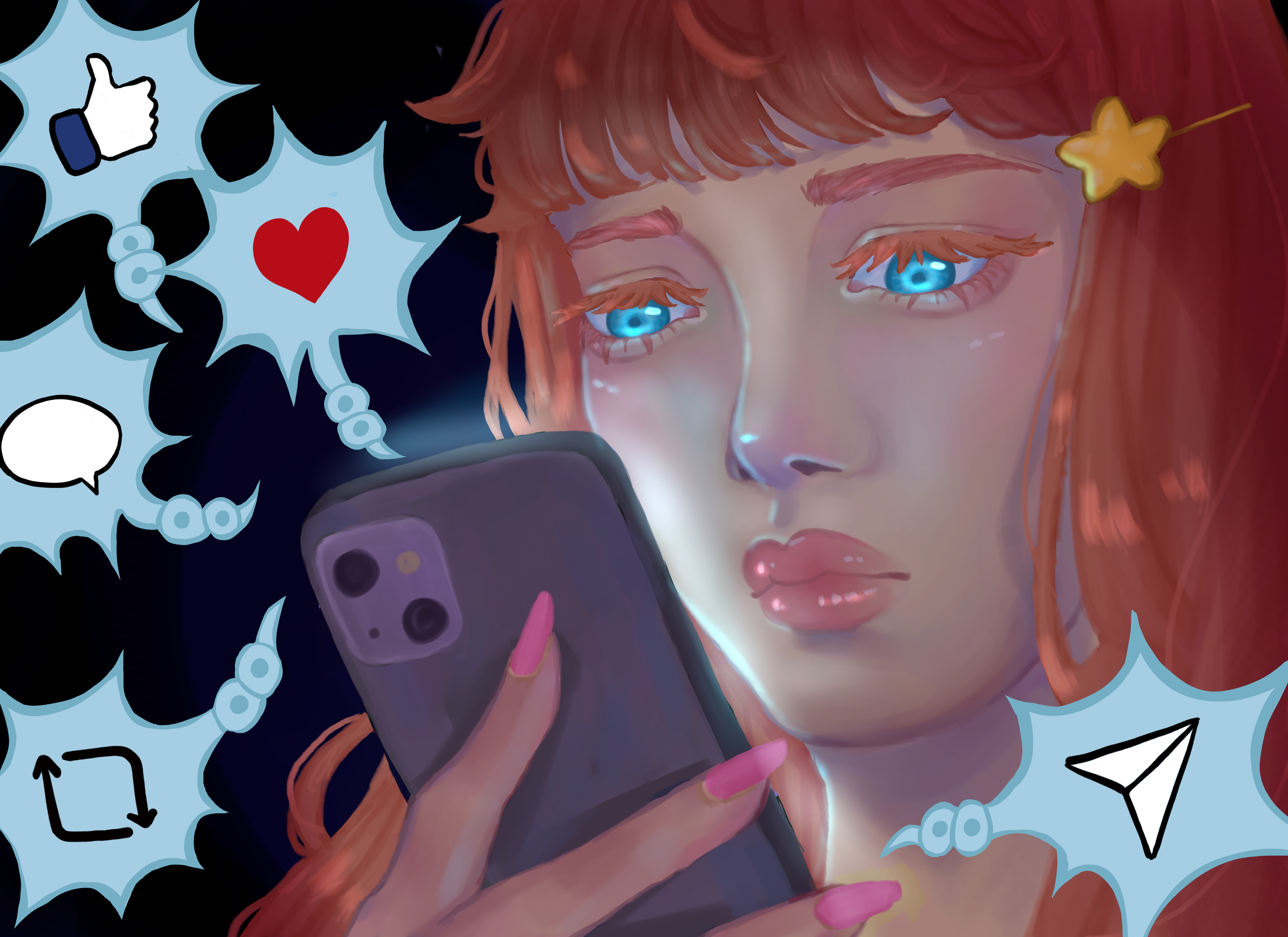
Generation Z, which includes those born between 1997 and 2012, is the first generation to experience the diverse presence of technology, especially as it is integrated with our academic or work environments and our personal lives. Whether it be through our computers, tablets, TVs, or phones, we constantly interact with screen-based technology. Social media has connected us with our friends and family and provides a platform for fostering friendships and connections. However, with excessive use of social media, some individuals (particularly adolescents) have found themselves struggling with compulsive tendencies that are comparable to addiction-like behaviors [1]. Like other behavioral addictions, social media addiction implicates neurological structures that affect the quality of life in adolescents [1]. In particular, social media addiction is affecting the neuronal networks of adolescents who experience this type of behavioral addiction. Adolescents are most vulnerable due to underdevelopment in brain structures and circuitries involving reward and decision-making [2]. Due to high neuronal plasticity during adolescence, compulsive use of social media can result in lasting impacts on neuronal circuits by altering certain neuronal pathways and brain structures [3].Given the growing prevalence of social media in adolescents’ lives, Generation Z is one of the first to be experiencing the emergence of a new behavioral addiction – the addiction to social media.
What is Addiction?
Addiction defined by behavioral science is when a habit turns into a compulsion [4]. Behavioral addictions involve brain structures that play roles in other compulsive behaviors such as substance use disorders. In the case of behavioral addictions, an individual is addicted to the feeling that is brought about by the relevant behavior [4]. This can include giving up or neglecting occupational, academic, or social obligations, in exchange for divulging in this behavior. Continuous engagement of said behavior causes the person to show no interest in his or her responsibilities in favor of the behavior, building tolerance overtime [4].
Behavioral addictions draw similarities to substance use disorders, especially in a side-by-side analysis of their diagnostic criteria [5]. Similar to behavioral addictions, drug use disorders result in a series of patterns with respect to social interactions and obligations. Drug use disorders can result in the failure to fulfill major responsibilities at work, school, or home. This can spiral to social or interpersonal problems caused or worsened by the effects of the substance, which are similar trends noted in behavioral addictions [5, 6]. Given these similarities, behavioral addictions have been listed in recent editions of the Diagnostic and Statistical Manual of Mental Disorders (DSM), which is used in order to guide the diagnosis of mental disorders (by listing descriptions and criteria) [6].
Adolescent Vulnerability to Behavioral Addictions
There are significant differences in brain structures that influence a variety of behaviors between adults in their mid-to-late 20s and adolescents. Social media addiction is shown to be prevalent at a higher rate in adolescents than in adults, with the conjecture being that adolescent brains are still in initial development and more are susceptible to influence [7, 8, 9]. For this reason, adolescence is characterized by impulsive actions and decisions that lead to an increase in unintentional injuries, violence, alcohol and drug abuse, unintended pregnancies, and sexually transmitted diseases [10].
Adolescent brains actively undergo developmental changes to the neural circuitry of reward processing, motivation, and cognitive control, all of which impact the development of non-substance addictive behaviors, such as gambling, eating, sex, and video games [7]. The exact reason why adolescents become more prone to engaging in these behaviors has yet to be fully understood. Some researchers propose that there may be an imbalance between top-down cognitive control systems and bottom-up incentive-reward systems during adolescence [11, 12]. Cognitive control from childhood to adulthood improves linearly and involves the maturation of the dorsolateral prefrontal cortex and anterior cingulate [13]. In comparison, the bottom-up incentive-reward system involves the striatum and midbrain dopaminergic system maturing at earlier stages of development compared to the top-down systems [12, 13]. An imbalance between these two systems may lead to vulnerability in adolescents to engage in risky behaviors [7, 11, 12, 13].
Once a certain structure in the brain is affected, different pathways and other components are impacted as well – including neurotransmitters. Neurotransmitters are chemicals that allow neurons to communicate with each other throughout the body in order to help the brain perform a variety of functions [14]. Addictive behaviors have a way of “hijacking” the brain’s natural reward system, which then causes a decreased response to “natural” rewards [7]. Natural rewards refer to a set of rewarding behaviors, which include palatable food, social interactions, and sex [15]. This system can also be referred to as the mesolimbic system, where the brain associates the mentioned behaviors to positive or desirable outcomes, with dopamine, playing a significant role in this system [16]. The mesolimbic system also plays a role in exogenous rewards as such in the case of drugs or social media [17, 18].
Similar to substance use disorders, there is a growing number of problems co-occurring with more time spent on social media. These problems include depression, decreased academic achievement, dissatisfaction with body image, risky behaviors, and disordered eating behavior [19]. The COVID-19 pandemic has furthered the prolonged use of social media, especially as everyone’s social world has changed drastically with multiple lockdowns and remote learning [20]. Living in a society that fosters online communication has not only increased social media use, but also the use of highly visual social media (HVSM), which are platforms that are primarily based on the sharing of user-generated visual content (such as TikTok, Instagram, and Snapchat). One study found that adolescents engaging in prolonged use of HSVMs showed a higher risk of addiction than other adolescents not using these platforms [21]. These addictive behaviors are continuing to emerge as greater numbers of adolescents are active on social media for longer periods of time; studies have reported that 93% to 97% of adolescents between the ages of 13 and 17 have at least one social media platform where they are active for at least 3 hours per day [19]. Instead of remaining as an avenue for entertainment and communication, social media use is morphing into a behavioral addiction [1].
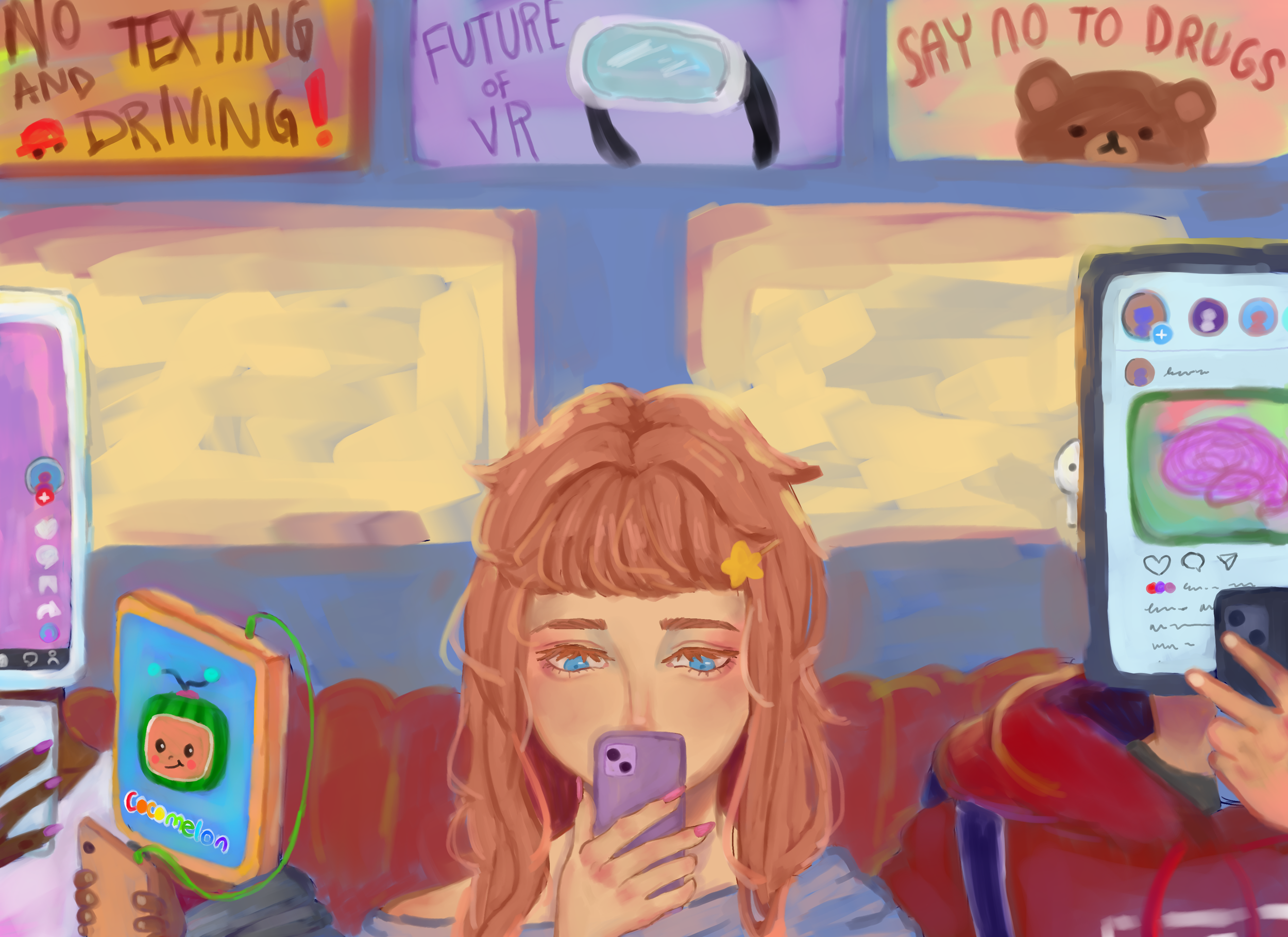
Brain Structures and Neuronal Pathways Implicated in Social Media Addiction
Recent studies have suggested that behavioral addictions can affect neural structures in a similar manner as drugs. Addictions to social networking sites like social media, are giving rise to this emerging behavioral addiction [21, 22]. Voxel-based morphometry (VBM) is a technique that investigates differences in neuroanatomy by segmenting the brain into gray matter, white matter, and cerebrospinal fluid [23]. Gray and white matter play crucial roles in the brain, especially since gray matter contains large amounts of neuronal cell bodies, which is where the majority of information processing occurs (including sensation, perception, voluntary movement, learning, speech, and cognition) [24]. Researchers have combined this technique with magnetic resonance imaging (MRI) in order to image the brains of individuals with varying levels of “social networking sites” addiction. MRIs are a brain imaging technique that produces three dimensional anatomical images of the brain and it plays a significant role in the detection of disease, diagnosis, and treatment monitoring [25]. These imaging studies found that this type of behavioral addiction is associated with reduced gray matter volumes on both sides of the amygdala [26]. This reduction of gray matter has been found to generate strong impulsive behaviors [26]. Other structural changes include deficiencies in the anterior cingulate cortex and the middle cingulate cortex, which have an impact on decision-making. The cingulate cortex is composed of four different regions, and they are responsible for the processing of information from our internal and external states [27]. An example of one of their functions include the processing of emotional states and reward-based decision making [27]. The cingulate cortex has been found to lower conflict resolution abilities due the reduction of gray matter volume in those areas [26].
Social media addiction evidently has effects on a structural and biochemical level, which can have outward impacts on work performances, social functioning, and physical and mental well-being. Another study emphasizes the growing need to understand how brain systems and processes can be affected by social media addictions, and it particularly focused on the morphology of the posterior portion of the insular cortex [1]. This region was heavily studied for its impact on behavioral and substance addictions, and, more recently, social media addiction. Outcomes of these studies show that the insular region affects interoceptive awareness, which promotes subjective feelings of cravings, which, in turn, impairs the ability to inhibit or excite one’s reward-seeking behaviors [1]. As previously discussed, the brain’s natural reward system is implicated in social media addiction, and with the reward system, its associated brain structures are also affected. Areas including the ventral striatum, the amygdala, the orbitofrontal cortex, and the posterior insula in the brains of individuals with problematic social networking site use were all found with reduced volume in the analyses of structural differences using magnetic resonance imaging (MRI) [1]. The striatum is involved in motor control, emotion, habit formation, and reward system [28]. Another implicated structure, the amygdala, is thought to contain the circuitry of brain stress systems, which contribute to the production of negative emotional states that eventually become powerful motivation in compulsive use [29]. Imaging has also found increased ventral striatum and precuneus activity in response to social networking sites (SNS) cues [30]. Additionally, these functional MRI analyses noted abnormal functional connectivity involving the dorsal attention network and inter-hemispheric communication deficits [30]. The dorsal attention network is responsible for verbal and visual working memory tasks and top-down control of attention [31]. Many of the same regions are implicated in drug abuse disorders, producing similar problems in sensory processing and attention [32].
Combating Social Media Addiction
It is crucial to understand the markers for vulnerability to social media addiction and understand the importance of setting healthy boundaries with its use. The best way to determine if you currently have a social media addiction is by determining whether it is impacting your work and social responsibilities or if it is simply an enjoyable habit. Key markers in recognition include an increase in the reliance of social media use in order to cope with problems, restlessness and irritability when it is not being used, and negative effects on work [33]. Once its presence is confirmed, there are multiple ways to decrease its use. Some of these ways include deleting the app, setting aside certain amounts of time dedicated to social media use per day, removing your phone from the room you are in, and taking up a hobby that is not technology-related [33]. There are no current medications available for the treatment of behavioral addictions, but the future shows much promise. Although our media-influenced generation is the first to be challenged by this new behavioral addiction, we can take precautionary measures to ensure it does not persist beyond our time.

References
Turel, O., He, Q., Brevers, D., & Bechara, A. (2018, April 25). Delay discounting mediates the association between posterior insular cortex volume and social media addiction symptoms - cognitive, affective, & behavioral neuroscience. SpringerLink. https://link.springer.com/article/10.3758/s13415-018-0597-1
Hartley, C. A., & Somerville, L. H. (2015). The neuroscience of adolescent decision-making. Current opinion in behavioral sciences, 5, 108–115. https://doi.org/10.1016/j.cobeha.2015.09.004
Korte M. (2020). The impact of the digital revolution on human brain and behavior: where do we stand? . Dialogues in clinical neuroscience, 22(2), 101–111. https://doi.org/10.31887/DCNS.2020.22.2/mkorte
Alavi, S. S., Ferdosi, M., Jannatifard, F., Eslami, M., Alaghemandan, H., & Setare, M. (2012, April). Behavioral addiction versus substance addiction: Correspondence of psychiatric and psychological views. International journal of preventive medicine. https://www.ncbi.nlm.nih.gov/pmc/articles/PMC3354400/#ref11
Grant, J. E., Potenza, M. N., Weinstein, A., & Gorelick, D. A. (2010). Introduction to behavioral addictions. The American journal of drug and alcohol abuse, 36(5), 233–241. https://doi.org/10.3109/00952990.2010.491884
Center for Substance Abuse Treatment. Managing Chronic Pain in Adults With or in Recovery From Substance Use Disorders. Rockville (MD): Substance Abuse and Mental Health Services Administration (US), (2012) (Treatment Improvement Protocol (TIP) Series, No. 54.) Exhibit 2-6, DSM-IV-TR Criteria for Substance Abuse and Substance Dependence. https://www.ncbi.nlm.nih.gov/books/NBK92053/table/ch2.t5/
Hammond, C. J., Mayes, L. C., & Potenza, M. N. (2014, April). Neurobiology of adolescent substance use and addictive behaviors: Treatment implications. Adolescent medicine: state of the art reviews. https://www.ncbi.nlm.nih.gov/pmc/articles/PMC4446977/#:~:text=During%20adolescence%2C%%2020developmental%20changes%20in,use%20and%20nonsubstance%20addictive%20behaviors
Hassan, Md. R., Mahmud, Md. S., & Hasan, Md. K. (2024). Social Media Addiction and Its Consequences Among Youth: A Developing Country Perspective. Global Business Review, 0(0). https://doi.org/10.1177/09721509241276720
Shannon, H., Bush, K., Villeneuve, P. J., Hellemans, K. G., & Guimond, S. (2022). Problematic Social Media Use in Adolescents and Young Adults: Systematic Review and Meta-analysis. JMIR mental health, 9(4), e33450. https://doi.org/10.2196/33450
Casey, B. J., Getz, S., & Galvan, A. (2008). The adolescent brain. Developmental review : DR, 28(1), 62–77. https://doi.org/10.1016/j.dr.2007.08.003
Berridge K. C. (2007). The debate over dopamine's role in reward: the case for incentive salience. Psychopharmacology, 191(3), 391–431. https://doi.org/10.1007/s00213-006-0578-x
Sowell, E. R., Trauner, D. A., Gamst, A., & Jernigan, T. L. (2002). Development of cortical and subcortical brain structures in childhood and adolescence: a structural MRI study. Developmental medicine and child neurology, 44(1), 4–16. https://doi.org/10.1017/s0012162201001591
Chambers, R. A., Bickel, W. K., & Potenza, M. N. (2007). A scale-free systems theory of motivation and addiction. Neuroscience and biobehavioral reviews, 31(7), 1017–1045. https://doi.org/10.1016/j.neubiorev.2007.04.005
Sheffler ZM, Reddy V, Pillarisetty LS. Physiology, Neurotransmitters. [Updated 2023 May 1]. In: StatPearls [Internet]. Treasure Island (FL): StatPearls Publishing; 2025 Jan-. https://www.ncbi.nlm.nih.gov/books/NBK539894/
Kelley, A. E., & Berridge, K. C. (2002, May 1). The neuroscience of natural rewards: Relevance to addictive drugs. The Journal of neuroscience : the official journal of the Society for Neuroscience. https://www.ncbi.nlm.nih.gov/pmc/articles/PMC6758373/#:~:text=Addictive%20drugs%20act%20on%20brain,survival%2C%20reproduction%2C%20and%20fitness
Lewis, R. G., Florio, E., Punzo, D., & Borrelli, E. (2021). The Brain’s reward system in health and disease. Advances in experimental medicine and biology. https://www.ncbi.nlm.nih.gov/pmc/articles/PMC8992377/#:~:text=The%20dopaminergic%20pathway%20mostly%20involved,structures%20of%20the%20limbic%20system
Izuma, K., Saito, D. N., & Sadato, N. (2008). Processing of social and monetary rewards in the human striatum. Neuron, 58(2), 284–294. https://doi.org/10.1016/j.neuron.2008.03.020
Torquet, N., Marti, F., Campart, C. et al. (2018). Social interactions impact on the dopaminergic system and drive individuality. Nat Commun 9, 3081. https://doi.org/10.1038/s41467-018-05526-5
Caner, N., Efe, S., & Ba, O. (2022, June 6). The contribution of social media addiction to adolescent life: Social appearance anxiety - current psychology. SpringerLink. https://link.springer.com/article/10.1007/s12144-022-03280-y
Delogu, F., Morgan-Paisley, K., Del Gatto, C., Indraccolo, A., Pedale, T., & Brunetti, R. (2025). The impact of the COVID-19 pandemic on the use of social media: A cross-national comparison. Acta psychologica, 255, 104888. https://doi.org/10.1016/j.actpsy.2025.104888
Brooks, S. K., Casale, S., Chen, I.-H., Fabris, M. A., Leung, H., Longobardi, C., Marengo, D., O’Day, E. B., Raudsepp, L., Su, W., Andreassen, C. S., Baumeister, R. F., Cauberghe, V., Csibi, S., & Davison, A. C. (2021, December 1). Smartphone and social media use contributed to individual tendencies towards social media addiction in Italian adolescents during the COVID-19 pandemic. Addictive Behaviors. https://www.sciencedirect.com/science/article/pii/S0306460321003890?casa_token=3pMCWxsPC+zoAAAAA%3AEiC8pDwoCC9dB5dnkGLwFJtAupVaYNG0XK4bFZcj_Y8Y4CtQ2LqfljxcvrfBxDk7+2UfZfuun-II
Tereshchenko S. Y. (2023). Neurobiological risk factors for problematic social media use as a specific form of Internet addiction: A narrative review. World journal of psychiatry, 13(5), 160–173. https://doi.org/10.5498/wjp.v13.i5.160
Kiyotaka, N. (n.d.). [understanding voxel-based morphometry]. Brain and nerve = Shinkei kenkyu no shinpo. https://pubmed.ncbi.nlm.nih.gov/28479527/
Grey matter. Cleveland Clinic. https://my.clevelandclinic.org/health/body/24831-grey-matter
U.S. Department of Health and Human Services. (n.d.). Magnetic Resonance Imaging (MRI). National Institute of Biomedical Imaging and Bioengineering. https://www.nibib.nih.gov/science-education/science-topics/magnetic-resonance-imaging-mri#:~:text=Magnetic%20Resonance%20Imaging%20(MRI)%20is,%2C%20diagnosis%2C%20and%20treatment%20monitoring
He, Q., Turel, O., & Bechara, A. (2017) Brain anatomy alterations associated with Social Networking Site (SNS) addiction. Scientific Reports, 7. https://doi.org/10.1038/srep45064
Jumah FR, Dossani RH. Neuroanatomy, Cingulate Cortex. [Updated 2022 Dec 6]. In: StatPearls [Internet]. Treasure Island (FL): StatPearls Publishing; 2025 Jan-. Available from: https://www.ncbi.nlm.nih.gov/books/NBK537077/#
Bamford, I. J., & Bamford, N. S. (2019, October). The striatum’s role in executing rational and irrational economic behaviors. The Neuroscientist : a review journal bringing neurobiology, neurology and psychiatry. https://www.ncbi.nlm.nih.gov/pmc/articles/PMC6656632/#:~:text=The%20striatum%20is%20a%20cluster,%2C%20habit%20formation%2C%20and%20reward
Koob, G. F. (2009, October 13). Brain stress systems in the amygdala and addiction. Brain research. https://www.ncbi.nlm.nih.gov/pmc/articles/PMC2774745/
Wadsley, M., & Ihssen, N. (2023, May 11). A systematic review of structural and functional MRI studies investigating social networking site use. MDPI. https://www.mdpi.com/2076-3425/13/5/787
Majerus, S., Peacuters, F., Bouffier, M., Cowan, N., & Phillips, C. (2018, February 1). The dorsal attention network reflects both encoding load and top–down control during working memory. MIT Press. https://direct.mit.edu/jocn/article-abstract/30/2/144/28828/The-Dorsal-Attention-Network-Reflects-Both
Yager, L. M., Garcia, A. F., Wunsch, A. M., & Ferguson, S. M. (2015, August 20). The ins and outs of the striatum: Role in drug addiction. Neuroscience. https://www.ncbi.nlm.nih.gov/pmc/articles/PMC4523218/
Cherney, K. (2020, August 6). Social Media Addiction: What it is and what to do about it. Healthline. https://www.healthline.com/health/social-media-addiction#how-is-it-addicting